Laying down the Law
Gerald Morgan charts the evolution of mediaeval tenets that govern our lives to this day
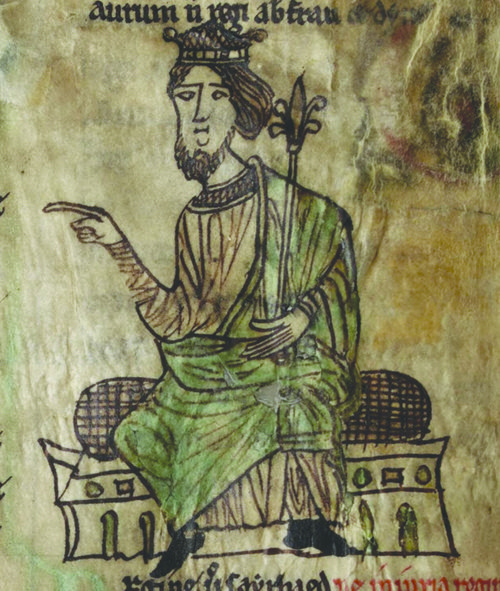
Tradition has it that Hywel Dda, king of most of Wales, summoned respected lawyers and leaders from all parts of the country to Whitland in order to codify the various laws of the land.
Hywel died in 950 but it was not until 1250 that dozens of Welsh and Latin manuscripts containing these laws were first seen. Broadly speaking, these criminal laws were implemented in the independent parts of the country up until the Conquest, while civil laws were implemented until 1542.
Courts of law were held regularly in each commot, and when the prince was present, he would preside over the case, but the judge and his advisers ('the men of law') would be in charge of the legal system.
Although some of the manuscripts belong to different parts of Wales, the system was based on the same foundations. There was a difference between enslaved men and free men, a higher status was accorded to men than to women, but divorce was easier for women, and the couple's property was divided fairly. Much depended on a person's status, which was measured in terms of wealth. The family of a murderer had to pay a price ('galanas') to the family of the man who had been killed, but both families could be summoned to court to take an oath for or against. The laws dictated the monetary value of human body parts, all domesticated animals and all items of furniture.
Some features of the system in Wales were different to our modern system. The monetary value of all items of property (domesticated animals, furniture etc) was set. Each individual and their body parts had a monetary value. Women were not able to inherit property, but the status of illegitimate children was better than in England, and divorce was a relatively trivial matter.
One of the major differences between English and Welsh law was the inheritance of land. English law dictated that the eldest son inherited everything; the system in Wales was sympathetic to all the sons. The situation was more complicated when the inheritance of political power was at stake. This led to many arguments, battles and murders between princes.
A man's status as a Welshman was important. If both his parents were Welsh, he enjoyed full status. If he lived in Wales without this status, he was an 'exile', although his descendants might be able to claim Welsh status.
Hywel's laws are important documents in the history of the Welsh language. They contain a rich vocabulary and discuss complex issues in a fluent manner.